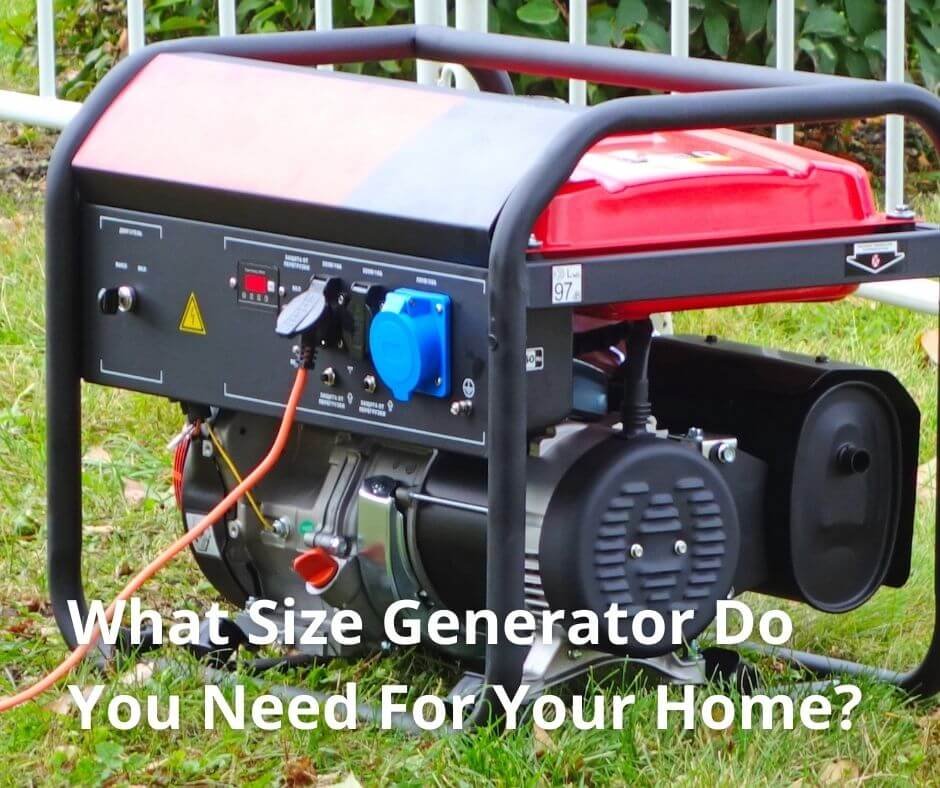
Experiencing a power outage can range from a minor inconvenience to a major disruption, especially during severe weather or extended grid failures. The thought of losing refrigeration, heating, or critical medical equipment is enough to make anyone consider a home generator. But with so many options available, figuring out "what size generator do I need?" can feel overwhelming.
You're not alone in this search. Choosing the right generator size isn't just about picking the biggest or cheapest option; it's about understanding your specific power needs and matching them to a generator that delivers reliable, efficient, and safe backup power. This guide will walk you through the essential steps, ensuring you make an informed decision that keeps your home running smoothly when the lights go out.
Decoding Generator Power: Watts, Surge, and Your Home's Appliances
Before you can pick a generator, you need to speak its language: watts. Generators are rated by how much power they can produce, measured in watts (W). However, not all watts are created equal. You'll encounter two key terms:
- Continuous Power (Running Watts): This is the power a generator can consistently deliver over extended periods. It's the baseline you'll need for your everyday essential appliances.
- Maximum or Surge Power (Starting Watts): Many appliances, especially those with electric motors like refrigerators, freezers, or well pumps, require a significant burst of power to start up. This "starting watts" demand is much higher than their continuous running watts, but only for a brief moment. Your generator must be capable of meeting these surge demands without overloading.
Understanding the difference is critical because your generator needs to cover both the running watts of all simultaneously used items and the highest starting watts of any single item that might kick on while others are already running. For a deeper dive into these calculations and precise methods, make sure to read our dedicated guide to Determine your generator wattage needs.
Calculating Your Home's Essential Wattage
To get started, list all the appliances you absolutely need to run during an outage. Don't try to power your entire home unless you're prepared for a substantial investment in a whole-house standby system. Instead, focus on essentials: your refrigerator, some lights, maybe a microwave, a well pump, or a medical device.
- List Your Essentials: Go room by room and note down critical appliances.
- Find the Wattage: Most appliances have their wattage listed on a label or in the user manual. If you only see amperes (A), convert it to watts using the formula:
Watts = Amps x Volts. (Most household circuits are 120V). - Sum Running Watts: Add up the continuous running watts of all the items you need to power simultaneously.
- Identify Highest Starting Watts: From your list of reactive loads (items with motors), find the one with the highest starting wattage requirement.
- Add Them Up: Your minimum generator running wattage should be the sum of your continuous running watts, plus the highest starting wattage from your list.
Expert Tip: Appliances aren't 100% efficient. An 800-watt microwave, for instance, might draw 1300 watts from your generator. It's always wise to overestimate your requirements slightly to avoid running your generator at full load constantly, which can shorten its lifespan. Furthermore, you can significantly reduce your peak demand by prioritizing and staggering the use of high-wattage items. For example, use your microwave, then unplug it before starting the washing machine. You might be surprised at how much less power you actually need for sequential tasks.
Navigating Generator Types: Finding the Right Fit Beyond Just Power Output
Once you have a good handle on your wattage requirements, the next step is to choose the right type of generator. The market offers a range of options, each with its own advantages, price points, and ideal use cases. Understanding their differences is key to making an informed decision for your home, and for comprehensive details, you can refer to our guide on Understanding Generator Types Learn About Generator.
Here's a quick overview of the main types you'll encounter:
Conventional Portable Generators
These are often the most budget-friendly for higher wattages. They produce what's known as "dirty power"—fluctuating voltage and frequency—which is perfectly fine for large appliances like refrigerators, sump pumps, or power tools. However, this unstable power can potentially damage sensitive electronics such as laptops, smartphones, or modern TVs. They also tend to be noisier and less fuel-efficient than inverter models.
- Typical Output: Up to 8,500W for portable models.
- Best For: Powering large, non-sensitive appliances and tools; construction sites.
- Cost: $950-$2,000 for high-wattage portable units.
Inverter Generators
Inverter generators are a popular choice for homeowners due to their "clean power" output, which is stable and safe for all sensitive electronics. They are also significantly quieter and more fuel-efficient than conventional generators, adjusting engine speed to power demand.
- Small Inverter (up to 2,000W): Lightweight, extremely quiet, perfect for powering a fridge, some lights, and charging devices. Not for connecting to your main breaker panel.
- Cost: $450-$1,600.
- Midsized Inverter (2,000-3,500W): Still quiet and relatively lightweight, efficient enough for essentials like a fridge, lights, and a small furnace fan. Generally 110V.
- Cost: $500-$2,400.
- Large Inverter (5,000-7,500W): Can power more substantial loads, including a fridge, lights, furnace, and even a small AC unit. Many can connect to a breaker panel for hardwired equipment like well pumps.
- Cost: $1,300-$7,000.
Home Standby Generators
These are the ultimate solution for seamless, whole-home power. Permanently installed outside your home, they automatically kick on within seconds of a power outage and run on natural gas or propane, often indefinitely (as long as fuel is supplied). They are the most expensive option upfront and require professional installation, including a concrete footing and connection to your home's gas and electrical systems.
- Typical Output: Up to 20,000W or more, capable of powering an entire home.
- Best For: Frequent/prolonged outages, homeowners seeking maximum convenience and whole-house backup.
- Cost: $2,000-$6,000 for the generator itself, plus several thousands for installation.
Tailoring Your Choice to Outage Frequency and Lifestyle
Your decision shouldn't just be about watts and generator types; it should also align with how often you experience outages and your personal comfort level during them.
- Frequent or Prolonged Outages: If you live in an area prone to long-duration outages, a large inverter, large portable, or especially a home standby generator is a wise investment. These can handle most household demands and connect directly to your home's circuit breaker panel for hardwired appliances like AC, heat, or well pumps.
- Occasional but Sustained Outages: For less frequent but potentially lengthy outages, a large inverter or a high-wattage portable generator offers a good balance of power and cost. You'll need to manually set it up, but it saves you the significant installation costs of a standby unit.
- Rare, Short-Term Outages: If outages are rare and typically brief, a midsized or even small inverter generator might provide sufficient peace of mind for essential items. For those considering generators for other activities, like tailgating or extended road trips, you can Explore our generator sizing guide specifically for RVs, camping, and outdoor activities.
Keep in mind that while whole-house portable generators are available, they are often bulky, noisy, and consume a lot of fuel. For apartment dwellers, conventional generators are not an option due to carbon monoxide risks; small portable indoor generators exist but offer limited power, best for prioritizing a few essentials.
Essential Considerations: Beyond Just Size and Type
Choosing the right size is just one piece of the puzzle. Several other crucial factors will influence your final decision and overall satisfaction with your generator. These include fuel type, noise levels, budget, and key features that enhance usability and safety. For a deep dive into these considerations, we have a comprehensive guide on Key Factors Beyond Size: Fuel.
- Fuel Type: Generators typically run on gasoline, propane, natural gas, or diesel. Each has its pros and cons regarding storage, availability, cost, and shelf life. Dual-fuel models offer flexibility.
- Noise Level: Measured in decibels (dB), noise can be a significant factor, especially in residential areas. Inverter generators are generally much quieter than conventional ones.
- Budget: Generators range from a few hundred dollars to thousands, not including installation costs for standby units or transfer switches.
- Starting Method: Electric start (push-button) is a convenience, while pull-start is more basic.
- Outlets: Ensure the generator has the right type and number of outlets for your needs (e.g., 120V, 240V, GFCI).
- Portability: Consider the weight and wheel kit if you need to move the generator frequently. For specific heavy-duty demands, such as powering tools on a job site, understanding how to size for continuous, rugged use is paramount; learn more in our guide on Choosing a Construction Generator Generators for professional applications.
Safety First: Non-Negotiable Rules for Generator Operation
No matter what size or type of generator you choose, safety must be your absolute top priority. Generators produce carbon monoxide (CO), an odorless, colorless, and deadly gas.
- Outdoor Use ONLY: Never operate a generator indoors, in a garage, carport, or any partially enclosed space.
- Distance and Direction: Place your generator a minimum of 20 feet from your home, with the exhaust directed away from windows, doors, and air conditioning vents.
- Carbon Monoxide Detectors: Install battery-operated CO detectors in your home, and ensure your generator has built-in CO safety technology for automatic shutoff.
- Transfer Switch: If you plan to connect your generator to your home's electrical system (to power hardwired appliances), a transfer switch is mandatory. This device safely isolates your home from the utility grid, preventing dangerous backfeed that can injure utility workers and damage your generator. Always have a licensed electrician install a transfer switch.
- Maintenance: Regularly check and maintain your generator according to the manufacturer's instructions, especially before an anticipated outage.
Ready to Power Up with Confidence?
Choosing the right generator size and type is a critical decision that impacts your comfort, safety, and budget during power outages. By understanding your wattage needs, exploring the different generator types, and considering factors beyond just size, you're well on your way to making an informed choice.
Remember to prioritize safety in every step, from installation to operation. With the right generator, you can transform the stress of a power outage into a manageable inconvenience, ensuring your home remains a haven of comfort and functionality.