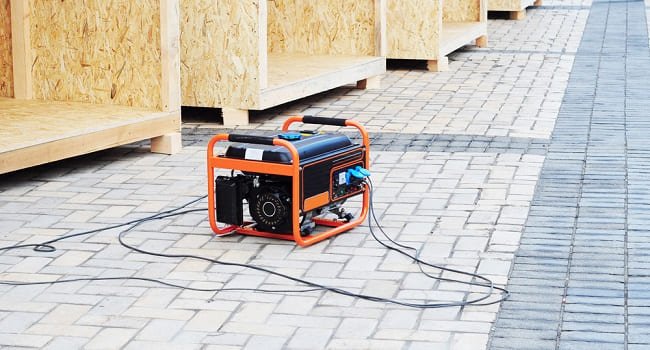
Choosing the right generator for construction sites and power tools isn't just about avoiding downtime; it's about ensuring safety, efficiency, and the smooth flow of your project. From powering a single hammer drill to running a complex array of heavy machinery, the generator you select is the lifeblood of your operation. Get it wrong, and you're looking at lost time, project delays, and potentially costly equipment damage. Get it right, and your site hums with productive energy.
This comprehensive guide will walk you through the critical decisions, helping you pick a generator that’s as reliable and hardworking as your crew.
At a Glance: Your Quick Generator Checklist
- Map Your Power Needs: List every tool and machine, noting both running and starting watts.
- Size It Right: Don't just sum running watts; account for the highest starting wattage. Add a buffer!
- Portable or Standby? Portable for flexibility, standby for consistent, high-power demands.
- Fuel Up Smart: Diesel offers durability, efficiency, and heavy-load capacity; gasoline is lighter, more portable, but less efficient.
- Safety is Non-Negotiable: Always operate outdoors, maintain regularly, and heed carbon monoxide warnings.
- Mind the Noise: Comply with local regulations and explore noise reduction techniques.
- Beyond the Price Tag: Factor in fuel efficiency, maintenance, and longevity for true cost.
- For Most Jobs: A 5,000-7,500 watt generator often hits the sweet spot.
The Invisible Foundation: Why Reliable Power is Non-Negotiable on a Construction Site
Every hammer swing, every cut of the saw, every concrete mix – it all relies on power. On a construction site, consistent, dependable electricity isn't a luxury; it's the very foundation upon which schedules are met and quality is delivered. Without the right generator, even the best-laid plans can grind to a halt. You need to confidently power everything from intricate handheld tools to robust heavy machinery, often simultaneously, across various stages of a build.
This isn't just about keeping the lights on; it's about powering productivity and safeguarding your investment in tools and labor.
Decoding Your Site's Thirst: How to Accurately Assess Power Requirements
Before you even think about generator models or brands, you need to understand precisely how much power your construction site truly demands. This isn't guesswork; it's a careful calculation that accounts for both the continuous draw of your tools and the sudden surges some require to kick into gear. This critical step will define the minimum capacity of your ideal generator.
Here’s your step-by-step guide to power assessment:
- List Every Piece of Equipment: Grab a notepad or open a spreadsheet. Systematically list every single power tool, light, charger, radio, and any other machine that will plug into your generator. Think drills, saws, grinders, compressors, concrete mixers, welders, even water pumps. Nothing is too small to include.
- Uncover Running Wattage: For each item on your list, locate its "running wattage" (sometimes called "rated watts"). This information is usually printed on the tool's label, in its owner's manual, or on the manufacturer's website. If you find amperage (amps) and voltage (volts), you can often calculate wattage using the formula: Watts = Amps x Volts.
- Calculate Your Total Running Wattage: Sum up all the running wattages from your equipment list. This gives you a baseline for the continuous power your generator needs to supply.
- Account for Starting Wattage (The Peak Load Problem): Here’s where many make a crucial mistake. Many electric motors, especially those in tools like compressors, saws, and welders, require a burst of extra power—often 2-3 times their running wattage—for a brief moment when they first start up. This is called "starting wattage" or "surge watts."
- Identify the "Heavy Hitters": Look at your list for tools with electric motors.
- Find Their Starting Watts: This might be listed alongside running watts. If not, a general rule of thumb is to multiply the running wattage by 1.5 to 3, depending on the tool (compressors and welders are often on the higher end).
- Crucial Point: You don't sum all starting wattages. Instead, you'll take your total running wattage and add only the highest single starting wattage from any of your tools. For instance, if your compressor needs 3,000 watts to start but only 1,500 to run, and it has the highest starting wattage on your list, that 3,000-watt figure is what you add to your total running watts for the peak load calculation.
- Need a deeper dive into sizing? Understanding Choosing the right generator size is paramount for efficiency and cost savings.
- Strategize Usage and Add a Buffer: While your calculation gives you a solid minimum, smart planning can extend your generator's capabilities. Try to avoid starting all your high-surge tools simultaneously. Can the compressor start before the concrete mixer? Distributing these startup spikes can prevent overloading.
- The Buffer: Always add a 10-20% buffer to your final calculated wattage. This accounts for unforeseen needs, slight inaccuracies in tool ratings, or future additions to your equipment list without immediately needing an upgrade. This buffer transforms your "just enough" into "comfortably capable."
By meticulously following these steps, you'll arrive at a realistic wattage target for your generator, ensuring it can handle both the continuous grind and the sudden demands of your construction site.
Generator Showdown: Unpacking the Main Types for Construction
Generators aren't one-size-fits-all. Different job sites, power demands, and logistical constraints call for different types. Understanding the core distinctions will guide you toward the right match for your operational style.
Portable Generators: The Nimble Workhorse
When flexibility and mobility are key, portable generators are often the go-to choice. They’re designed for easy transport, allowing you to move power exactly where it's needed, whether that's a new corner of a large site or a remote location without grid access.
- Ideal For: Small to medium construction sites, individual crews, specific tasks that require power away from the main setup, or temporary power needs.
- Key Characteristics:
- Mobility: Wheels and handles make them relatively easy to reposition.
- Setup: Generally quick and straightforward to get running.
- Power Output: Ranges widely, but typically sufficient for multiple handheld tools and some smaller heavy machinery.
- Cost: Often less expensive upfront than their stationary counterparts.
Standby Generators: The Unshakeable Powerhouse
For larger, more established construction sites with high, consistent power needs, or for operations that absolutely cannot afford any interruption, standby generators step up. These are fixed installations, designed to provide substantial, reliable power for extended periods.
- Ideal For: Large construction projects, facilities under construction that require continuous power, or sites where heavy-duty equipment runs for long durations.
- Key Characteristics:
- Power Output: Offer significantly more power than most portables, capable of running multiple heavy machines concurrently.
- Durability: Built for continuous operation and often housed in protective enclosures.
- Fuel Storage: Can be connected to larger external fuel tanks for very long run times.
- Installation: Requires professional installation and a dedicated space.
Fueling Your Choice: Diesel vs. Gasoline
Beyond portability, the type of fuel your generator uses significantly impacts its performance, cost of operation, and maintenance profile. For construction, the debate often boils down to diesel versus gasoline.
Diesel Generators: The Enduring Workhorse
Often considered the standard for serious construction work, diesel generators offer a compelling package of power, efficiency, and longevity.
- Pros:
- Durability: Diesel engines are built tough, designed for heavy-duty, continuous operation, meaning they hold up well in demanding construction environments.
- Fuel Efficiency: Generally consume less fuel than gasoline engines for the same power output, leading to lower operating costs over time, especially for long-running projects.
- Long Run Times: Can operate for extended periods without refueling, crucial for minimizing downtime.
- Heavy Load Handling: Excellent at managing high and fluctuating loads, making them ideal for tools with significant starting wattages.
- Safety: Diesel fuel is less flammable than gasoline, posing a lower fire risk on a busy job site.
- Maintenance: Often considered easier to maintain with longer service intervals than gasoline counterparts.
- Cons:
- Higher Upfront Cost: Typically more expensive to purchase than gasoline generators.
- Noise: Can be louder than gasoline models, though advancements in sound-dampening enclosures are improving this.
- Weight: Generally heavier and less portable than gasoline units.
Gasoline Generators: The Accessible Option
Gasoline generators are widely available, often more compact, and come with a lower initial price tag, making them attractive for smaller-scale or intermittent use.
- Pros:
- Lower Upfront Cost: More budget-friendly to acquire.
- Portability: Lighter and easier to move around the site, especially smaller models.
- Availability: Gasoline is readily available at most service stations.
- Cons:
- Fuel Efficiency: Less fuel-efficient than diesel, meaning higher running costs over time, particularly for prolonged use.
- Emissions: Generally produce more emissions, which can be a concern for environmental regulations.
- Flammability: Gasoline is highly flammable, requiring extra care in storage and refueling to prevent fire hazards.
- Durability/Lifespan: Engines typically have a shorter lifespan and may not withstand the same continuous heavy-duty use as diesel models.
- Maintenance: May require more frequent maintenance compared to diesel engines.
For most construction professionals, a diesel-powered generator is the preferred choice due to its superior reliability, fuel efficiency, and high power output, especially for demanding, long-term projects. Brands like Honda, Caterpillar, and Generac are often cited for their robust construction-grade offerings.
Powering Your Arsenal: Watts for Common Construction Tools
Once you understand generator types, let's look at how much juice your specific tools actually need. This insight helps you avoid both underpowering (which leads to tripped breakers and frustration) and overpowering (which means you've spent too much on a generator larger than necessary).
Handheld Tools: The Everyday Essentials
These are the workhorses of any construction site, constantly in use for drilling, cutting, grinding, and fastening.
- Typical Wattage: Most handheld tools—think corded drills, circular saws, angle grinders, reciprocating saws, and jigsaws—generally require 500 to 2,000 watts to run.
- Generator Sizing: A generator in the 3,000 to 4,000-watt range can typically handle several handheld tools operating simultaneously, assuming careful management of starting surges. For instance, you could likely run a table saw (1500W) and a drill (600W) together, but starting a high-amp saw might briefly dip your power.
Heavy Machinery: The Big Guns
When you're mixing concrete, breaking pavement, or laying down serious material, you're stepping into the realm of higher power demands.
- Typical Wattage: Heavy machinery like concrete mixers, powerful air compressors, and welders can demand anywhere from 2,000 to 10,000 watts or even more. A hammer drill, for example, often needs at least 2,000 watts to operate effectively due to its intensive breaking action.
- Generator Sizing: For these power-hungry beasts, you'll typically need a generator in the 10,000 to 20,000-watt range. This capacity ensures that not only can the machine run continuously, but it also has sufficient overhead for its significant starting wattage. If you're running multiple heavy machines, you'll be looking at the higher end of this spectrum, potentially even considering industrial-grade units.
General Recommendations for Your Jobsite
While specific calculations are always best, here are some common benchmarks:
- Most Jobsites: A generator in the 5,000 to 7,500-watt range is often the sweet spot for many medium-sized jobsites. This capacity can reliably power a mix of essential tools like drills, saws, air compressors (with staggered starts), and site lighting without constant worrying about overloading.
- Essential Tools: A 5,000-watt generator is usually robust enough to run critical essential appliances and tools, making it a versatile option for diverse tasks.
Remember, the goal isn't just to match the sum of running watts, but to ensure your generator can comfortably absorb the highest starting surge that any single tool might demand, while still supplying continuous power to everything else running simultaneously.
Beyond the Watts: Crucial Considerations for Your Investment
Choosing a generator isn't solely about power output. A truly smart decision factors in safety, site logistics, regulatory compliance, and the true long-term cost of ownership. These elements can significantly impact your project's efficiency, budget, and reputation.
Safety First: Protecting Your Crew and Site
Generators are powerful machines, and with power comes responsibility. Neglecting safety protocols can lead to serious accidents, injuries, or worse.
- Carbon Monoxide (CO) Safety: The Silent Killer
- Always Outdoors: This is non-negotiable. Operate generators only in well-ventilated outdoor areas. The exhaust contains deadly carbon monoxide, an odorless, colorless gas.
- Distance is Key: Position your generator at least 20 feet away from the work area, any occupied spaces, windows, doors, and vents. This helps ensure exhaust fumes dissipate safely.
- Never Indoors: Absolutely never run a generator indoors, in garages, sheds, crawl spaces, or any partially enclosed areas, even if doors and windows are open. CO can accumulate rapidly and prove fatal.
- CO Detectors: Consider installing battery-operated carbon monoxide detectors in any nearby trailers or temporary structures where workers might be present.
- Maintenance: The Lifeline of Longevity
- Routine Checks: Adhere to a strict maintenance schedule. Regularly check oil levels before each use, and change the oil and air filters according to the manufacturer's recommendations.
- Fuel System Inspection: Inspect the fuel system for any leaks, cracks in hoses, or signs of wear. Address any issues immediately.
- Spark Plugs and Battery: Check and replace spark plugs as needed, and ensure batteries are fully charged (for electric start models).
- Professional Servicing: Periodically, have a qualified technician inspect and service the generator to catch potential problems before they become critical.
Taming the Roar: Noise Levels and Site Regulations
Construction sites are inherently noisy, but generator noise can be particularly disruptive. It impacts not only worker comfort and communication but also surrounding communities.
- Impact on Workers: Excessive noise contributes to hearing fatigue, reduces communication clarity, and can increase stress levels for your crew.
- Community Impact: Noise pollution can lead to complaints from nearby residents, potential fines from local authorities, and even project delays if noise ordinances are violated.
- Noise Reduction Techniques:
- Mufflers: Ensure your generator has an adequate, well-maintained muffler. Aftermarket industrial-grade mufflers can significantly reduce decibel levels.
- Enclosures and Barriers: Consider purpose-built sound-attenuating enclosures or erect temporary sound barriers (e.g., plywood or specialized acoustic panels) around the generator to direct noise away from sensitive areas.
- Strategic Positioning: Locate the generator as far away as practical from work zones, residential areas, and highly populated public spaces. Angle the exhaust away from people.
- Anti-Vibration Mats: Place the generator on anti-vibration mats to reduce noise transmitted through the ground.
- Comply with Local Regulations: Always research and understand the specific noise ordinances for your project's location. Non-compliance can result in costly fines and reputational damage.
Counting the Costs: Initial vs. Long-Term Value
The purchase price is just one piece of the financial puzzle when acquiring a generator. A comprehensive cost analysis looks at the entire lifespan of the unit.
- Initial Investment:
- Purchase Price: Varies widely based on size, brand, fuel type, and features. Diesel generators typically have a higher upfront cost.
- Delivery & Installation: Especially for larger standby units, factor in transportation, craning, and professional setup costs.
- Necessary Accessories: Don't forget the essentials: heavy-duty extension cords, fuel cans, transfer switches (if connecting to a building's electrical system), and potentially a grounding rod.
- Long-Term Costs (The True Cost of Ownership):
- Fuel Efficiency: This is a major factor. While diesel generators might cost more initially, their superior fuel efficiency can lead to substantial savings over time, especially on long-duration projects. Gasoline generators, though cheaper upfront, will incur higher fuel costs in the long run.
- Maintenance Requirements: Factor in the cost of routine oil changes, filter replacements, spark plugs, and periodic professional servicing. Diesel engines, while robust, also require proper maintenance.
- Potential Repair Costs: Consider the reliability of the brand and the availability of parts. A strong warranty and responsive customer service can significantly mitigate unexpected repair expenses.
- Downtime Costs: Beyond direct repairs, consider the cost of project delays if your generator breaks down. A reliable unit minimizes this risk.
By weighing these comprehensive factors, you move beyond simple price comparisons to a strategic investment that supports your project's success and budget.
Making the Smart Move: General Recommendations and Your Next Steps
Choosing the ideal generator for your construction site and power tools boils down to an informed, strategic decision. It's about optimizing for power, reliability, safety, and long-term value.
Here's a recap of the general recommendations to guide your final choice:
- Power for Most Jobs: For a broad range of construction tasks, a 5,000 to 7,500-watt generator strikes an excellent balance, capable of handling essential tools and equipment without constant worry.
- Fuel of Choice: For its unmatched reliability, fuel efficiency, and robust power output under heavy loads, a diesel-powered model is generally considered the best generator for a professional construction site. While the initial investment might be higher, the long-term operational savings and durability often justify the cost.
- Reputable Brands: Brands like Honda, Caterpillar, and Generac have established reputations for manufacturing durable, high-performing generators suitable for demanding construction environments. Research their specific models and features that align with your needs.
Your Actionable Next Steps:
- Re-Evaluate Your Specific Needs: Take another pass at your equipment list and wattage calculations. Are there any tools you overlooked? Have you accurately factored in the highest starting wattage?
- Match Capacity to Demand: With your precise power needs in hand, you can confidently compare generator models. Ensure the model's running watts exceed your total running watts and its surge (starting) watts can handle your highest single surge load, plus a comfortable buffer.
- Consult Experts: Don't hesitate to speak with generator dealers or rental companies. They often have invaluable experience and can recommend specific models based on your detailed requirements and local regulations.
- Prioritize Safety Features: Look for generators with built-in safety features like automatic low-oil shutdown, overload protection, and sturdy, protected outlets.
- Factor in Logistics: Consider the generator's weight, portability (if needed), fuel tank capacity, and the ease of refueling and maintenance on your specific site.
- Review Warranty and Support: A strong manufacturer's warranty and accessible customer service can be lifesavers if issues arise.
By systematically assessing your power needs, matching generator capacity, prioritizing safety and efficiency, and considering all aspects of cost, you'll make an informed decision. This strategic approach will save you time, money, and headaches, ensuring your construction site stays powered and productive from groundbreaking to completion.